
Engineering
How does a plane stay in the air?
The explanation you were taught in school is mostly wrong. Here is the real one.
· 7 min read
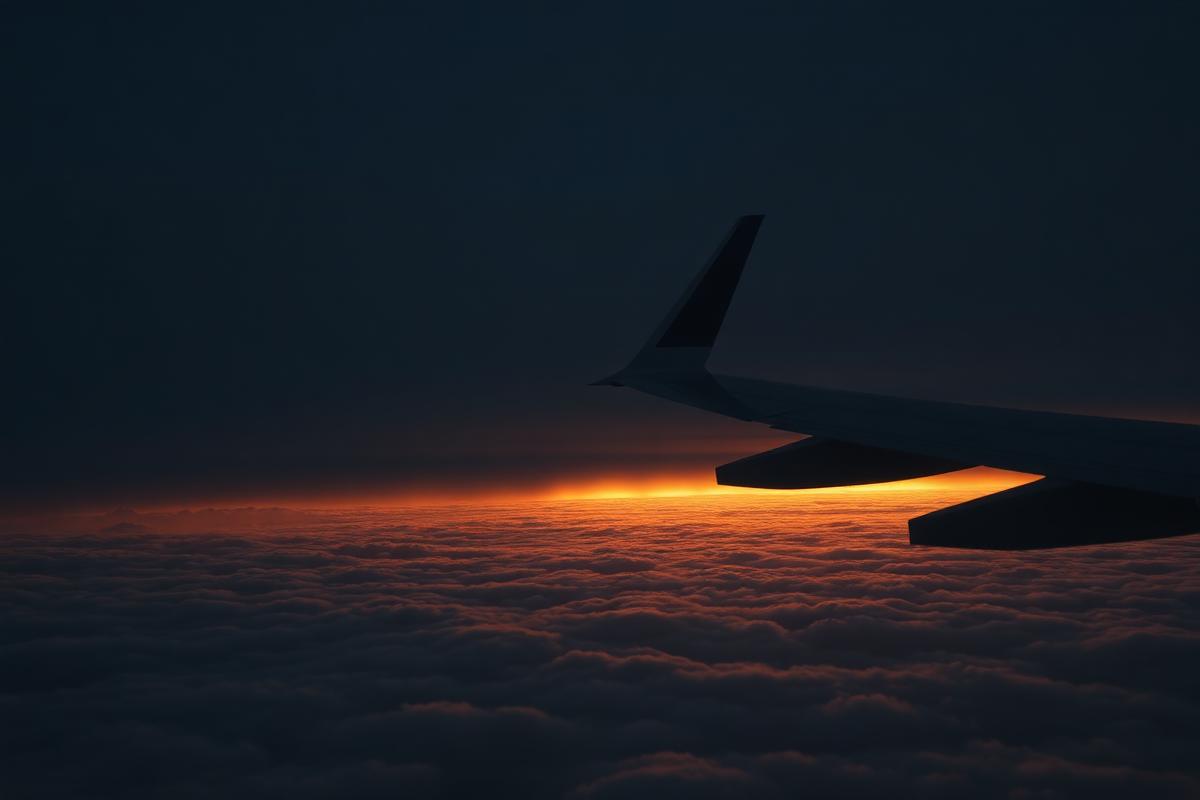
The textbook explanation — air travels further over the curved top of the wing so it must move faster — is wrong in almost every detail. Air has no obligation to arrive anywhere at the same time.
What actually happens is simpler and more physical. A wing deflects a large mass of air downwards. By Newton's third law, the air pushes the wing up. The curved shape and angle of attack determine how much air gets turned and how sharply.
Bernoulli is not irrelevant; pressure genuinely drops over the upper surface. But pressure difference and downwash are two descriptions of the same event, not competing theories.
This is why a flat plate at an angle can fly, why upside-down aerobatics work, and why a 400 tonne aircraft is not defying physics at all — it is simply pushing an enormous amount of air toward the ground, every second.
Related stories
The engineering behind impossible machines
From gigantic bucket-wheel excavators to fusion prototypes: what it takes to build the improbable.
6 min read
50 Cinematic AI Video Prompts You Can Copy & Use in 2026
Fifty copy-ready cinematic AI video prompts for 2026, grouped by genre, with practical guidance on camera motion, lighting, lens choice, style and iteration.
11 min read
How to Keep the Same Character in AI Videos: The 2026 Consistency Workflow
Learn the 2026 reference-first workflow for keeping the same face, identity, outfit and style across AI video scenes using anchors and image-to-video.
8 min