Science
Could a DeLorean actually travel through time?
The real physics behind time travel, wormholes and the 1.21 gigawatts that made movie history.
· 9 min read
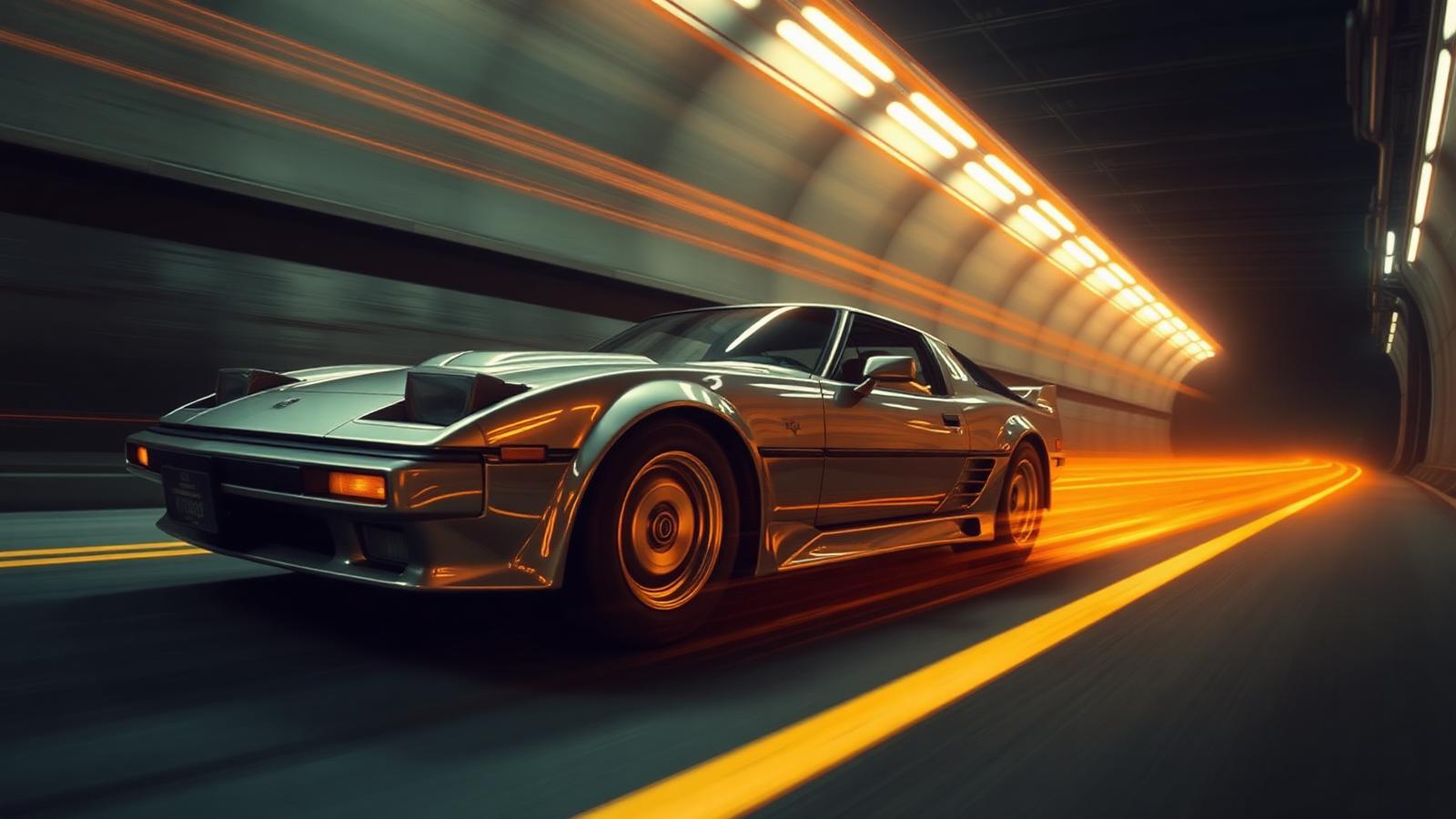
Time travel is the rare idea that lives in both the physics department and the multiplex. One of them requires a stainless steel sports car; the other requires an energy budget that would embarrass a national grid.
General relativity does not forbid travel into the future. Move fast enough, or sit close enough to a massive object, and your clock genuinely runs slower than everyone else's. Astronauts return to Earth having aged a few milliseconds less than the rest of us. That is time travel, just an extremely modest amount of it.
Travelling backwards is where the engineering becomes hostile. The known solutions — rotating universes, infinite cylinders, traversable wormholes — all demand exotic matter with negative energy density, something never observed in bulk anywhere in the universe.
Then there is the power. 1.21 gigawatts is roughly one large reactor unit, which sounds enormous until you compare it to the energy a wormhole would require: closer to the mass-energy of a planet, delivered with surgical precision to a region a few metres across.
The honest answer is that a DeLorean is a beautiful piece of industrial design and a terrible time machine. But the questions it raises — about causality, energy density and the shape of spacetime — are exactly the questions working physicists still argue about.
Related stories
Why honey never spoils
Archaeologists keep finding edible honey in ancient tombs. The chemistry behind it is quietly brutal.
5 min read
50 Cinematic AI Video Prompts You Can Copy & Use in 2026
Fifty copy-ready cinematic AI video prompts for 2026, grouped by genre, with practical guidance on camera motion, lighting, lens choice, style and iteration.
11 min read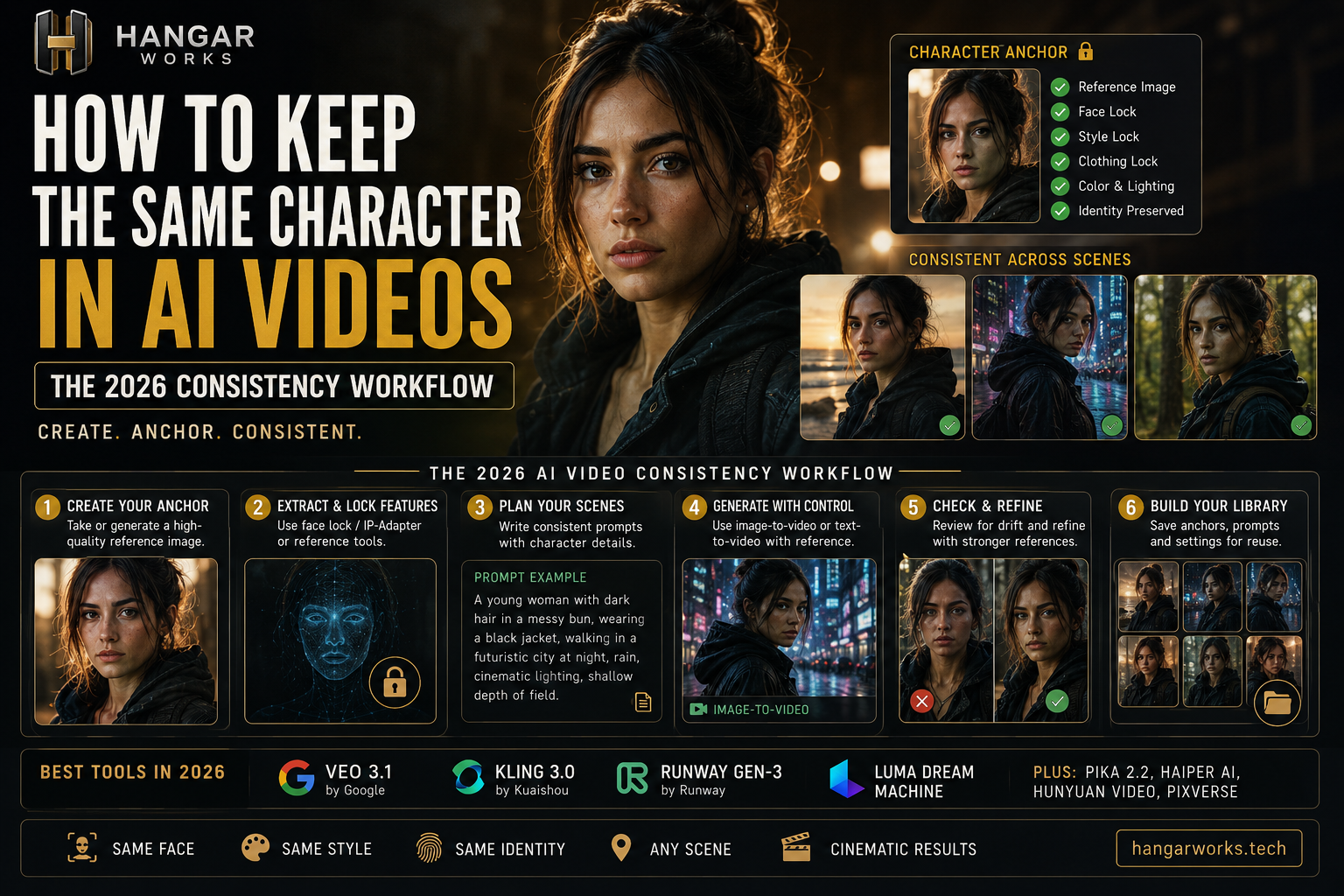
How to Keep the Same Character in AI Videos: The 2026 Consistency Workflow
Learn the 2026 reference-first workflow for keeping the same face, identity, outfit and style across AI video scenes using anchors and image-to-video.
8 min